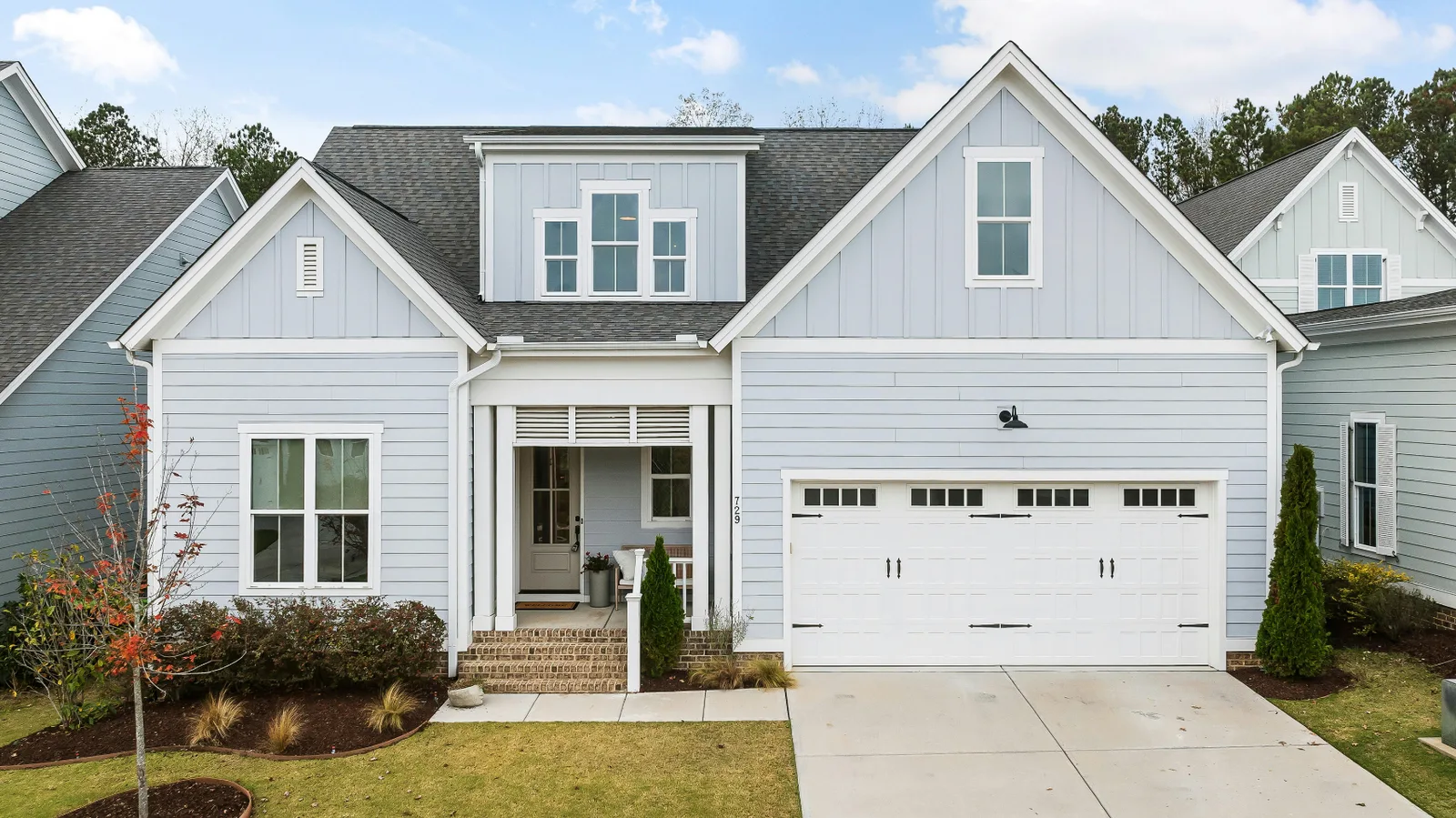
Wind-affected shingles
Lifted, creased or missing shingles need assessment of seals, fasteners, underlayment and the adjacent covering.
Wind damage repairs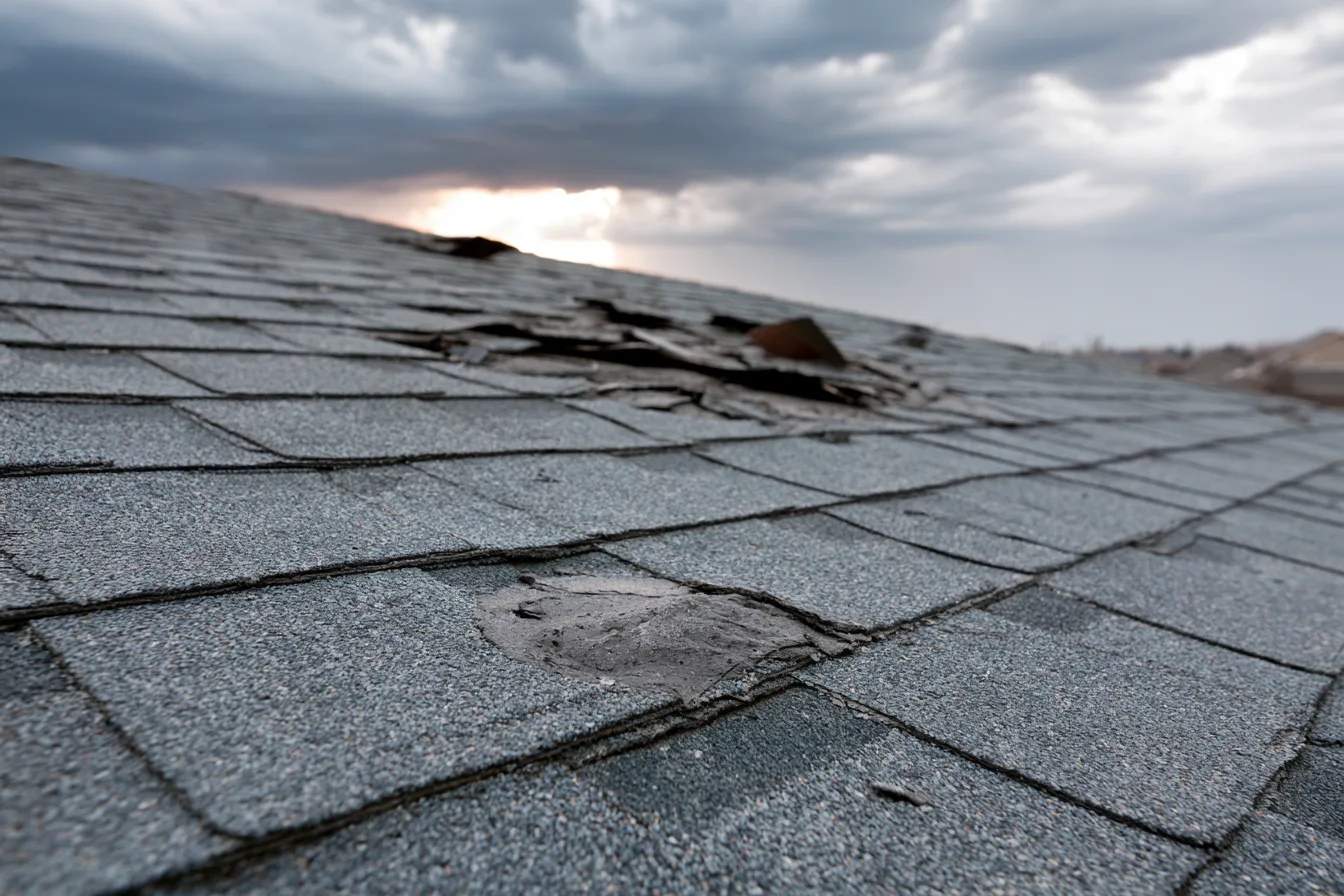
A clear scope starts with the roof in front of us.
After wind or hail, assess what actually changed on the roof and choose repairs that restore the water-shedding connections.
A storm can damage shingles, roof edges, flashings and other exposed parts in different ways. Missing material is easy to see from the ground, while an open seal or damaged detail may need a closer roof assessment.
We look at the covering and the connected details, then work out whether the damage has a sound repair boundary. The condition of the surrounding roof matters. Old brittle shingles or damaged decking can change the work even when the new damage appears limited.
A storm report establishes reported weather at its stated place and time. It does not inspect a roof or establish the condition of every address nearby.
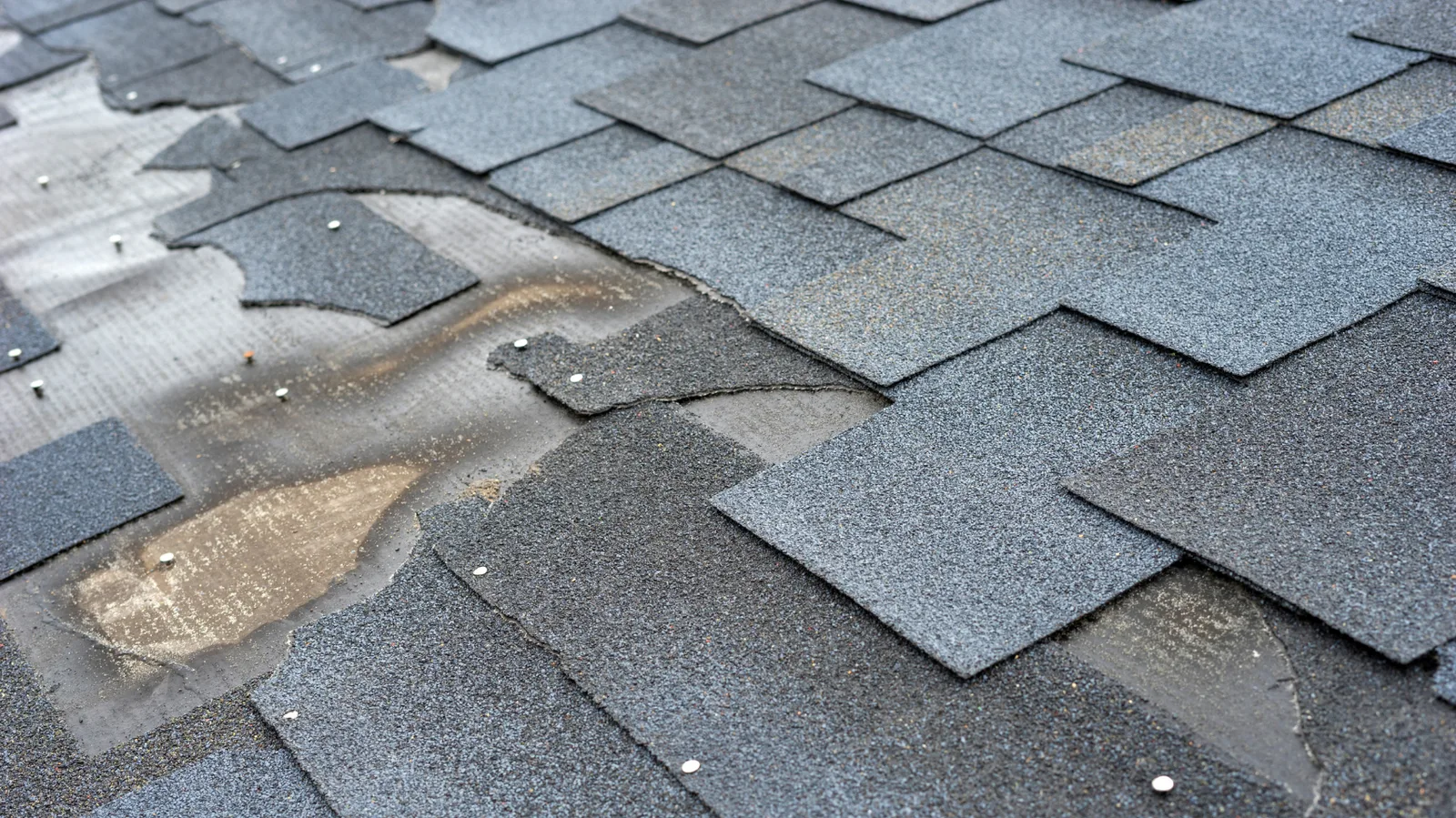
Different damage calls for different physical work.
Lifted, creased or missing shingles need assessment of seals, fasteners, underlayment and the adjacent covering.
Wind damage repairsImpacts need examining in the context of the material. Surface marks alone do not establish the same failure or repair on every roof.
Hail damage assessmentTemporary protection can reduce further exposure when conditions allow. Permanent work follows assessment of the damaged layers.
Urgent roof protectionRoofing work restores the damaged construction. Insurance payment follows the contract between the policyholder and the insurer.
| Construction question | Payment question |
|---|---|
| Which roof components are damaged? | Does the policy cover the event and type of damage? |
| What is needed to reconnect the roof to sound material? | How do the deductible, depreciation and settlement terms apply? |
| What temporary protection is appropriate? | What records and insurer inspections are required before permanent work? |
No. The extent of damage, repair compatibility and supporting roof condition determine the work. A localized repair can be appropriate when it has a sound boundary.
Yes. Water entry is one concern, but the material itself can need assessment after an impact. Not every surface mark represents the same condition.
Call and say water is coming in. Stay off the roof and keep people clear of unstable ceilings and electrical hazards.
Share the property location and what you noticed after the storm. Start with a free roof inspection.