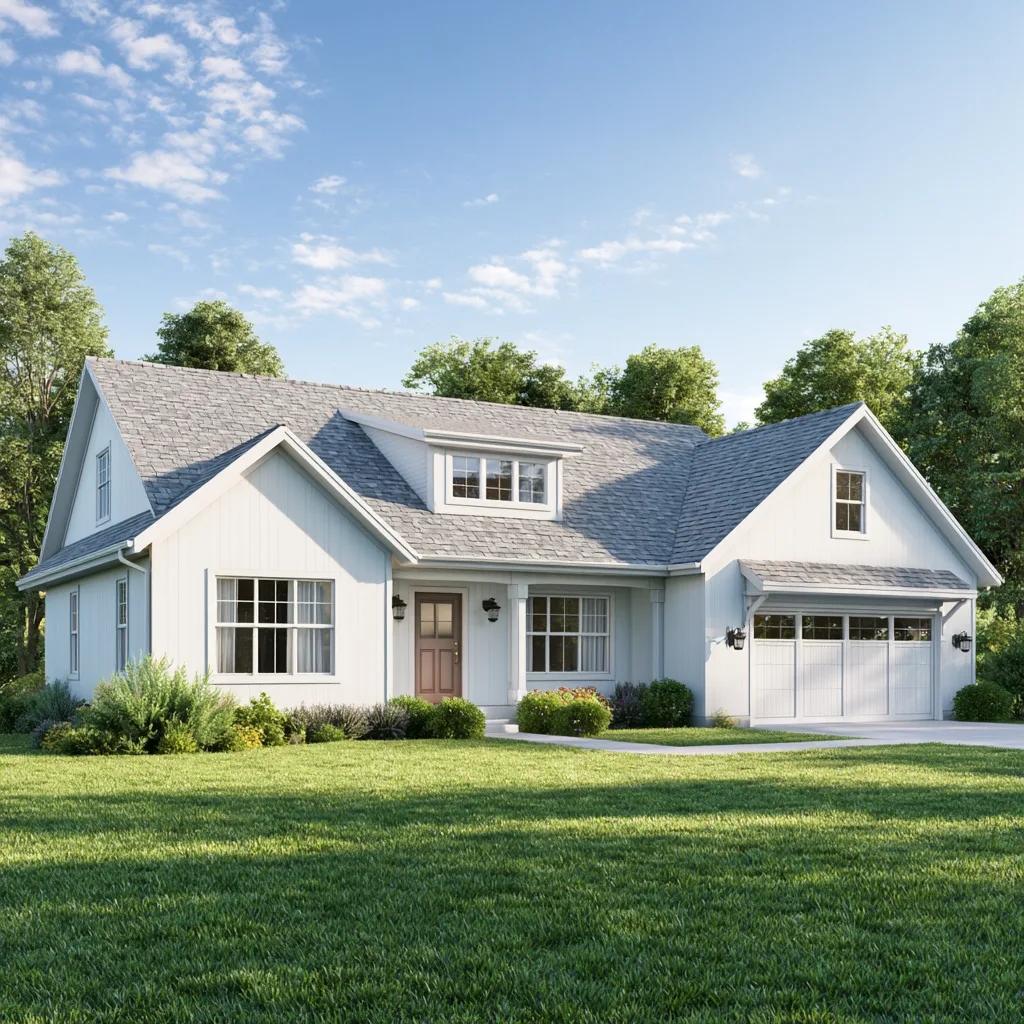
System and metal selection
Panel profile, coating, material and attachment affect the assembly and installation work.
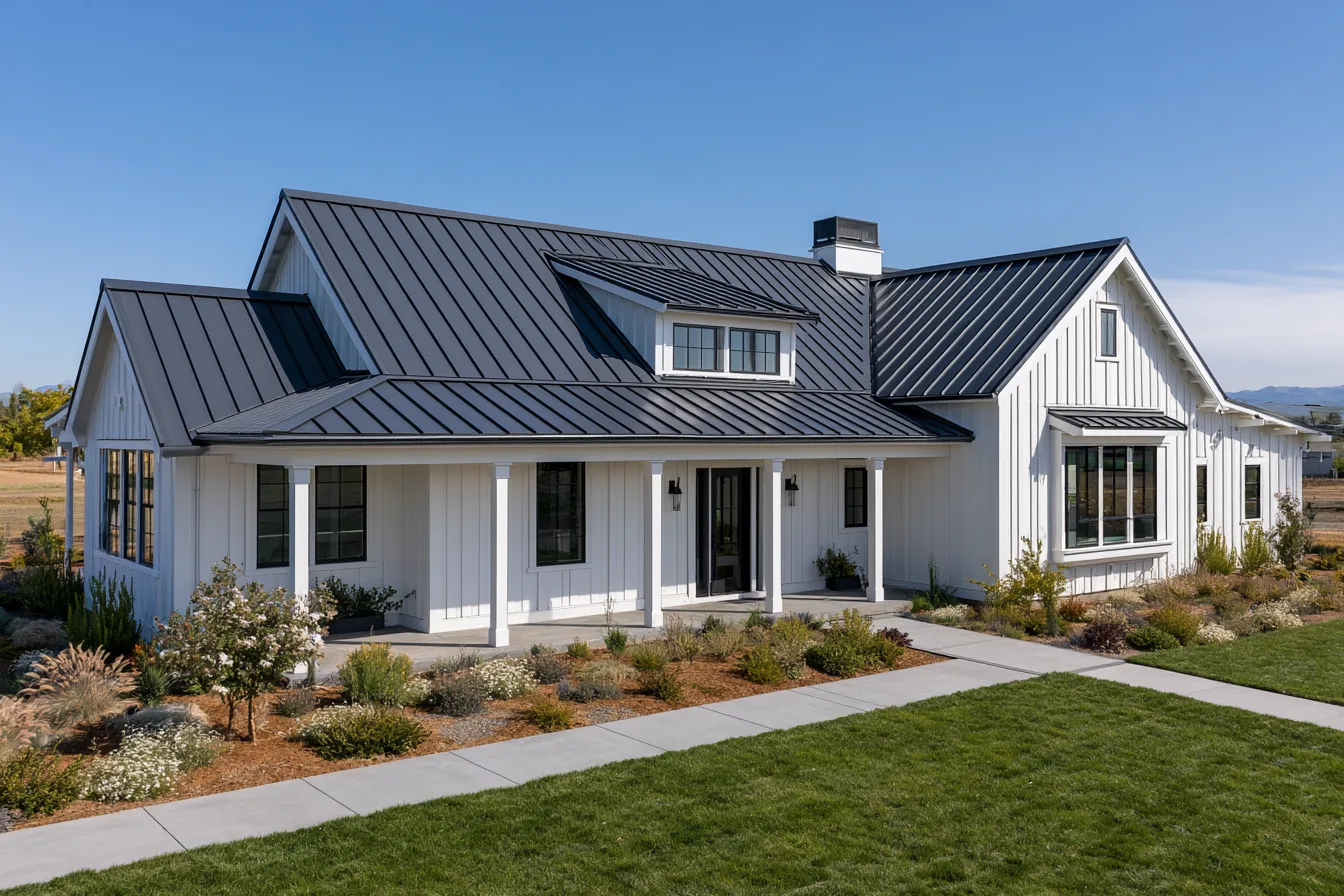
A clear scope starts with the roof in front of us.
Choose a metal roof by its panel system and connections, then plan the edges, penetrations and support that make it work.
Metal roofing is not one interchangeable product. Standing-seam panels have raised joints and commonly use concealed attachment. Exposed-fastener panels have visible screws and sealing washers that need their own attention. Metal shingles and tile profiles have different details again.
The roof slope, panel length, attachment and transitions influence which system fits the property. Metal expands and contracts as temperature changes, so the connections need to manage movement without opening a water path.
We can discuss a metal roof inquiry in the context of the actual building. A material choice begins with the roof assembly, not a promise of one universal lifespan or maintenance-free performance.
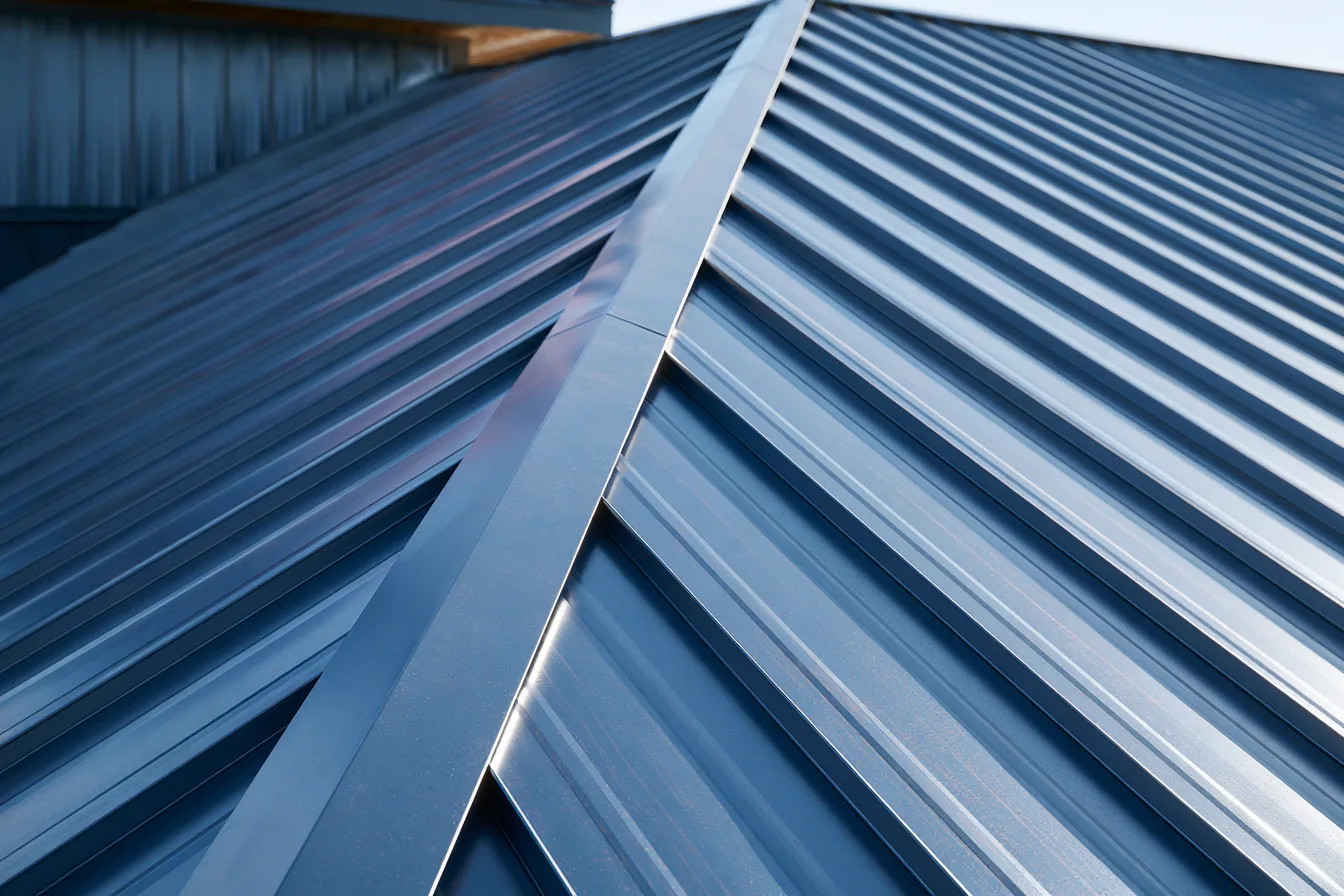
The visible panels depend on correctly designed joints and penetrations.
| Detail | Planning concern |
|---|---|
| Panel attachment | Clips or exposed fasteners must suit the system, deck and required assembly. |
| Thermal movement | Long panels and fixed points need detailing that accommodates movement. |
| Roof penetrations | Boots, curbs and compatible flashing need to work with the profile and drainage path. |
| Edges and valleys | Water needs a clear path off the roof, with secure trim and compatible materials. |
A metal roof needs its own project price rather than an asphalt rate multiplied by a guess.
Panel profile, coating, material and attachment affect the assembly and installation work.
Valleys, wall intersections and many penetrations add fabricated details and labor.
Removal, deck condition, height and material handling can change the work substantially.
Discuss a metal roof budgetNo. The panel joints and attachment differ. The choice changes installation details, movement and future maintenance needs.
A recover needs assessment of the existing assembly, moisture, support, fastening and applicable code. It is not automatically suitable because metal is a different covering.
No. The material, coating, panel profile and connected details still matter. Impact marks and damaged seams or flashings need different assessment.
Tell us the property location and whether this is a repair or a new metal roof project. We can begin with the roof’s current condition.