
Keep the affected space clear
Move away from sagging ceilings and wet electrical fixtures. An immediate threat to people needs the appropriate emergency service.
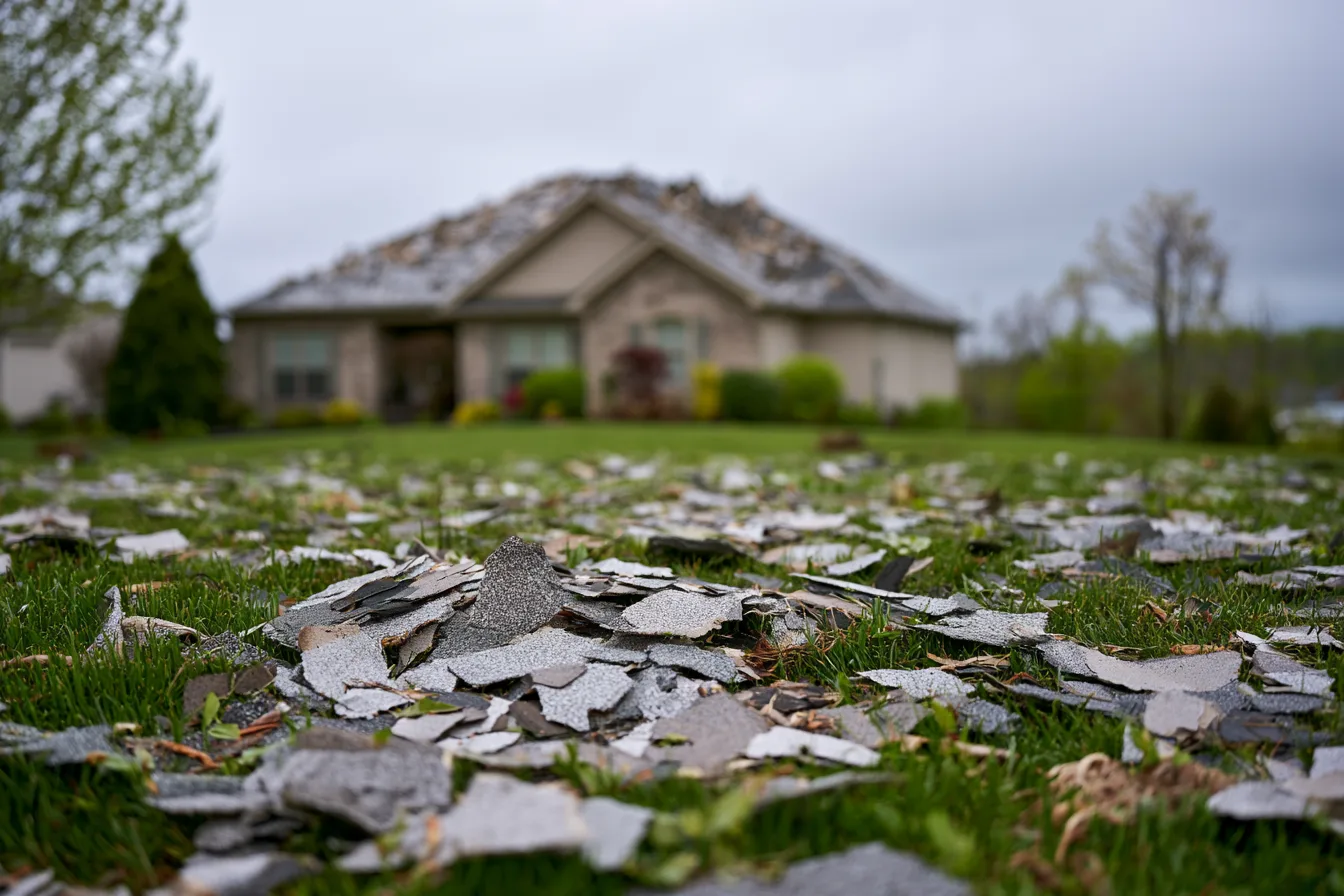
A clear scope starts with the roof in front of us.
Practical safety and temporary-protection guidance when wind, hail or water entry affects the roof.
Stay off a storm-damaged roof and keep people away from unstable ceilings, electrical hazards and loose material. A roof request can start with what you noticed safely from the ground or indoors.
If water is entering, call and say so. Temporary protection and permanent repairs are different steps, each dependent on safe access and the condition of the roof.
Protection should not create another risk.
Move away from sagging ceilings and wet electrical fixtures. An immediate threat to people needs the appropriate emergency service.
The street address, affected room and what changed are enough to begin. Do not use a ladder or roof access to gather photographs.
A secured temporary covering needs the right access and attachment. Loose improvised material can become another hazard.
The roof work follows the condition that can be established.
Temporary protection reduces further weather entry under suitable conditions.
Check the covering, flashings, support and the roof around the visible opening.
Reconnect compatible material to sound roofing or plan a wider replacement where the condition requires it.
No. Wet surfaces, damaged decking and loose edges can remain hazardous after the weather clears.
No. It is temporary protection, with permanent work still needed for the underlying roof failure.
Yes. Kansas insurance guidance recommends retaining receipts and information about temporary measures. Payment follows the policy and insurer review. Read the roof insurance guide
Call with the location and say whether water is entering now. Keep people clear of the damaged area.